Vehicle passage
The vehicle passes through the measurement section.

Dynamic weighing
WIM (Weigh-In-Motion) is a technology for automatically measuring vehicle mass and axle loads while the vehicle is in motion. Asia Great designs and implements low-speed and high-speed WIM systems for highways and transport control sites.
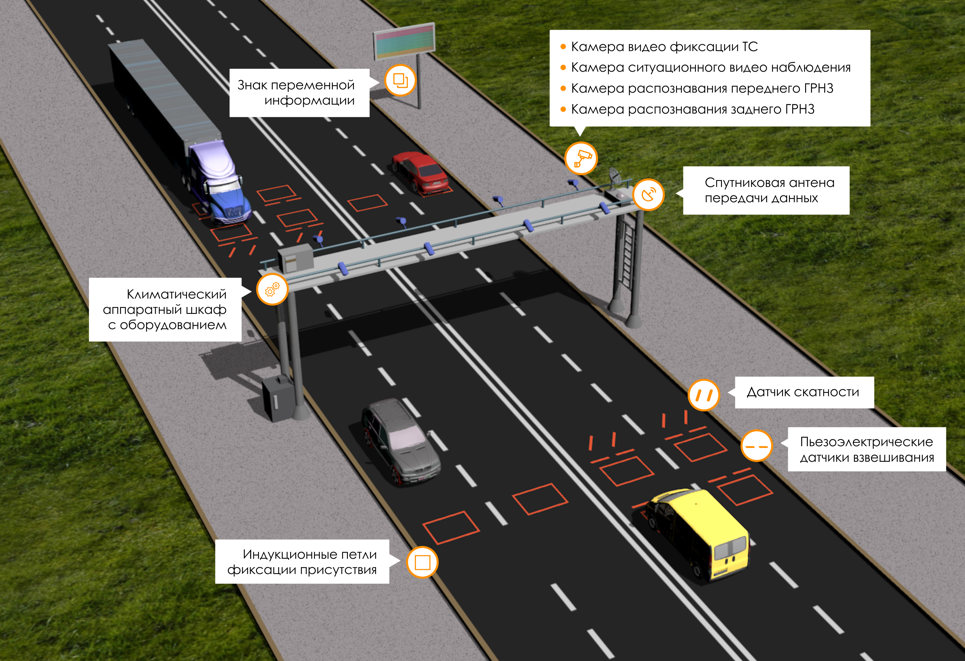
Measurement is performed automatically as the vehicle passes through the equipped road section. The driver is not required to stop on a separate scale.
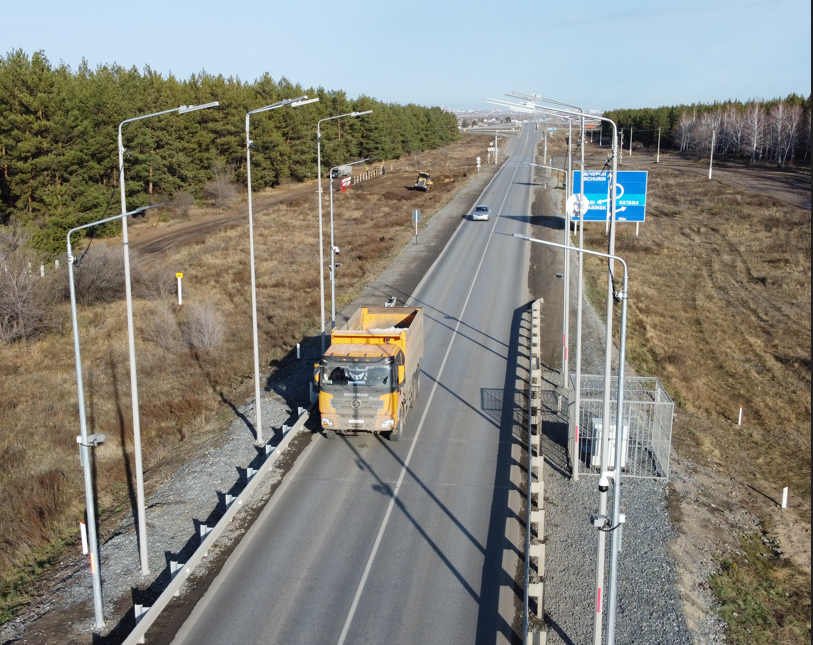
The vehicle passes through the measurement section.
Weighing sensors in the pavement record the impact of each wheel and axle.
The WIM controller receives sensor signals and determines the passage parameters.
The system calculates gross vehicle weight, axle loads, number of axles, speed and other measured parameters.
Results can be combined with the licence plate number, vehicle photographs, class, dimensions and other data from the complex.
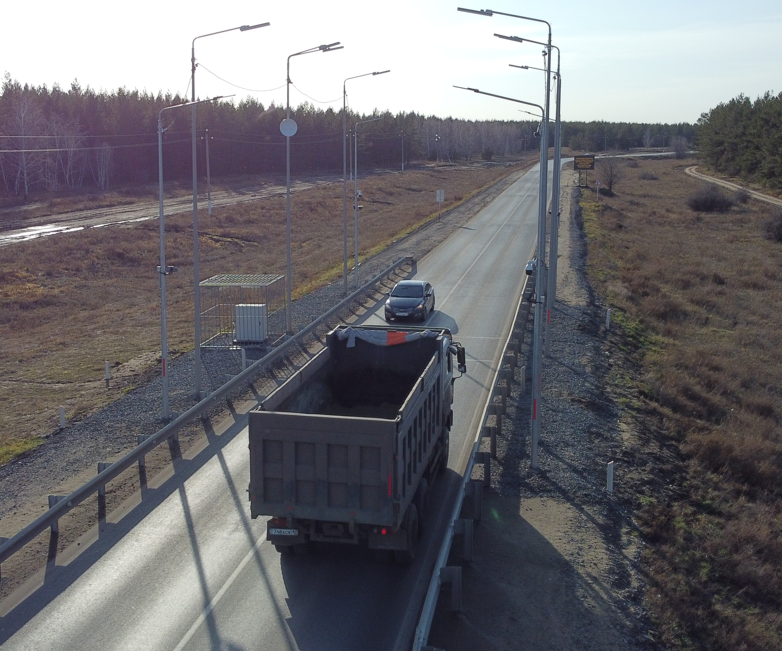
Mass and axle loads are measured at speeds of up to 10 km/h. This mode is used at control points, customs posts, borders and other sites where vehicles pass through the control zone at reduced speed.
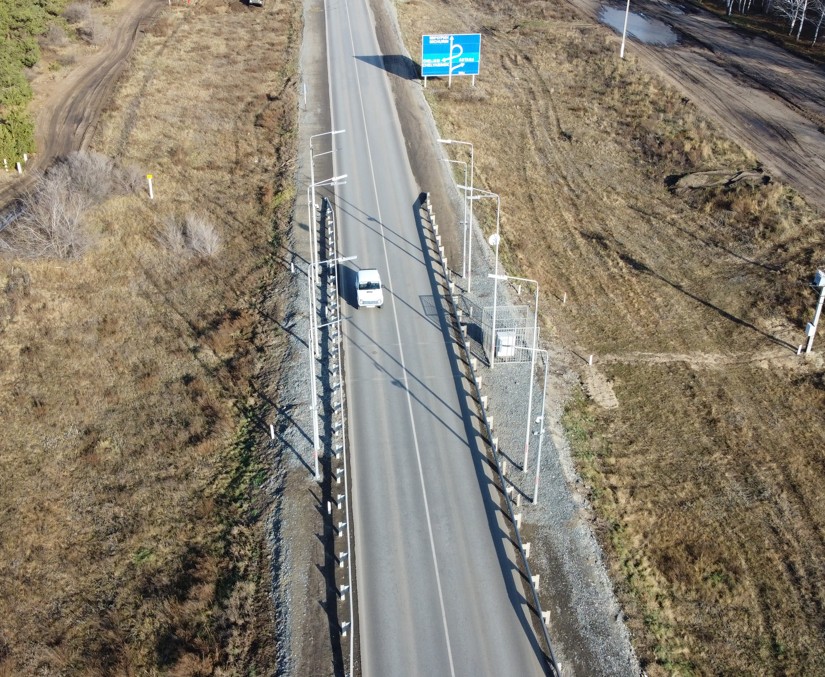
Mass and axle loads are measured at speeds above 10 km/h without interrupting traffic flow. These systems are used on highways of national significance, trunk roads and toll sections where automatic control of vehicles in motion is required.
The WIM system is based on sensors installed directly in the measurement zone of the pavement. The sensor type is selected according to the required operating mode, station design and the metrological requirements of the project.
Piezoelectric sensors are installed across the traffic lane and convert the mechanical impact of the vehicle wheels into an electrical signal. They are used in dynamic weighing systems, including on high-speed sections.
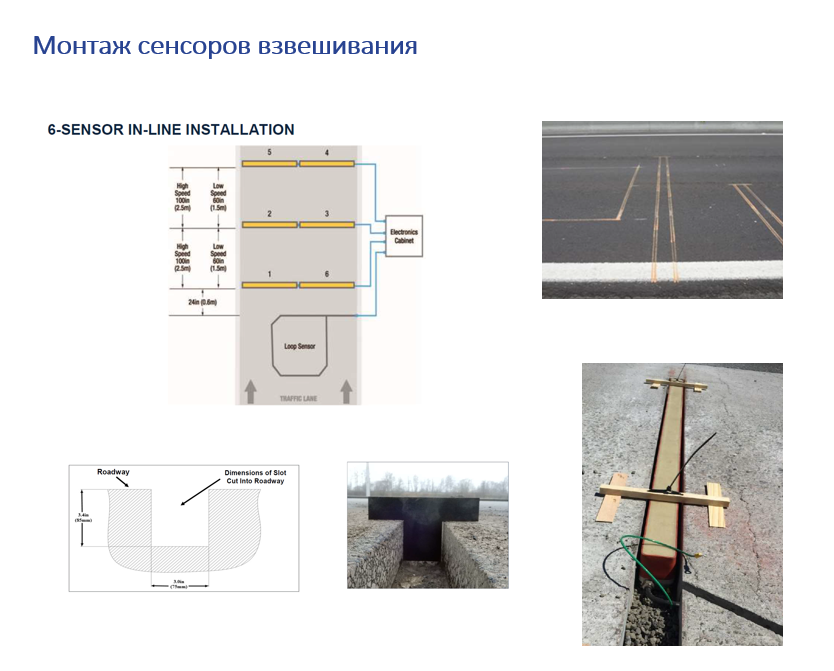
Strain-gauge sensors measure load from the deformation of the sensing element. These sensors are used in various configurations of dynamic and low-speed weighing systems.
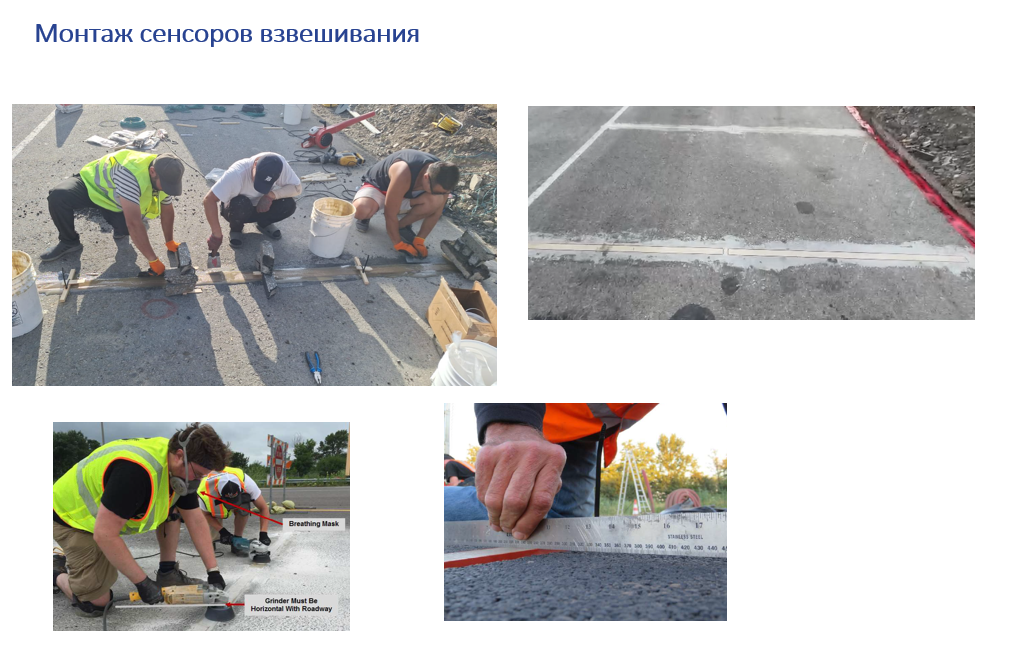
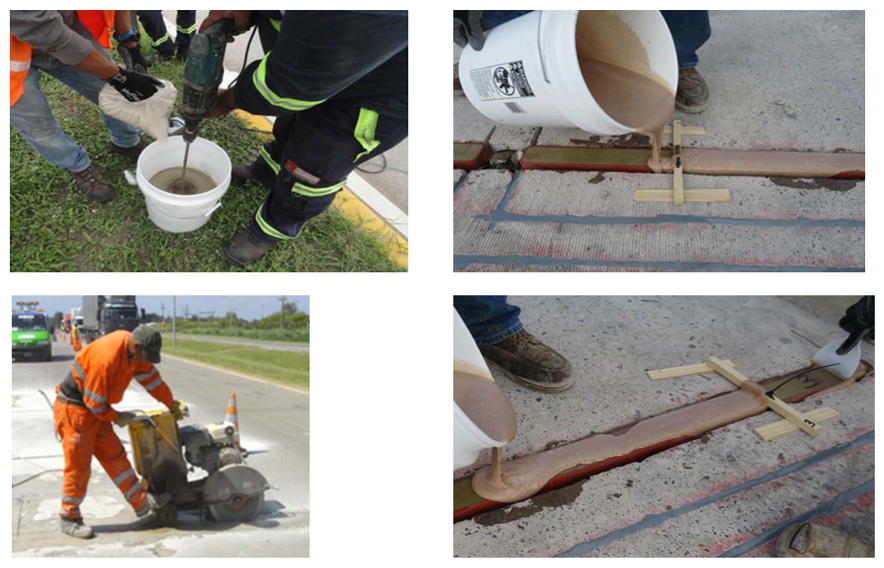
The accuracy and stability of WIM depend not only on the equipment, but also on proper preparation of the measurement section and installation of the sensors.
The WIM controller receives signals from weighing sensors and other devices of the measurement section, processes them and generates the parameters of each vehicle passage.
Licence plate number, photographs, dimensions and other parameters can be added from related subsystems of the complex and combined into a single data package.
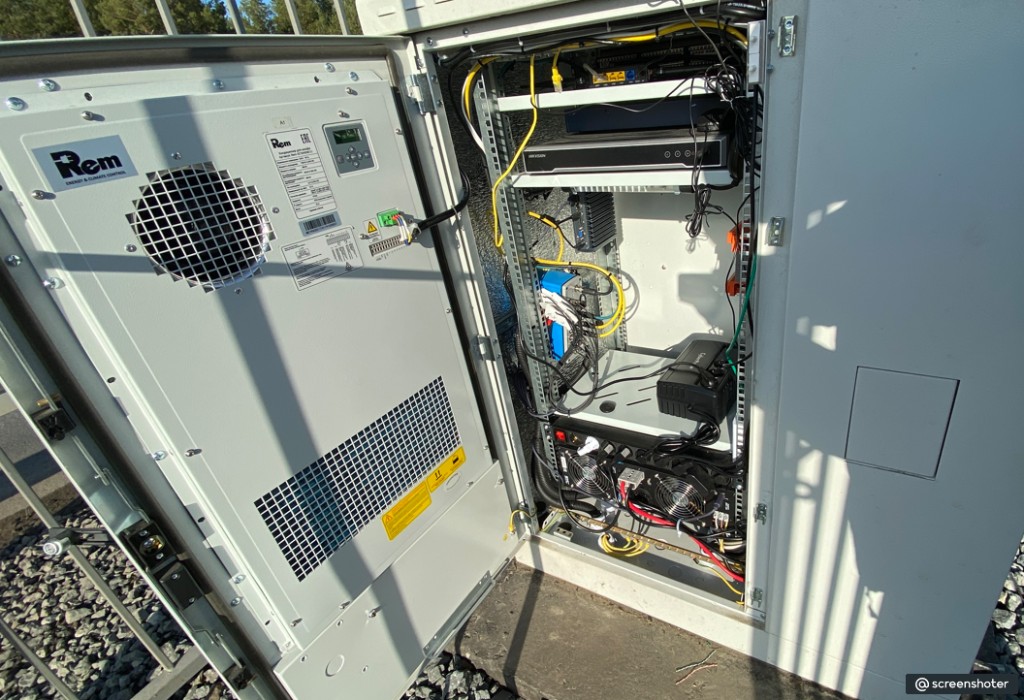
The specific equipment set is determined by the tasks and configuration of the site.
After installation and commissioning, the measurement channels are calibrated. This uses control vehicles with known parameters that make a series of passes through the measurement section.
Based on the results of the passes, system readings are checked and, where necessary, the coefficients of the measurement channels are adjusted. Calibration makes it possible to configure the system for the specific design of the measurement section and the operating conditions.
Depending on the station type, control passes may be performed at different speeds and in different traffic lanes.
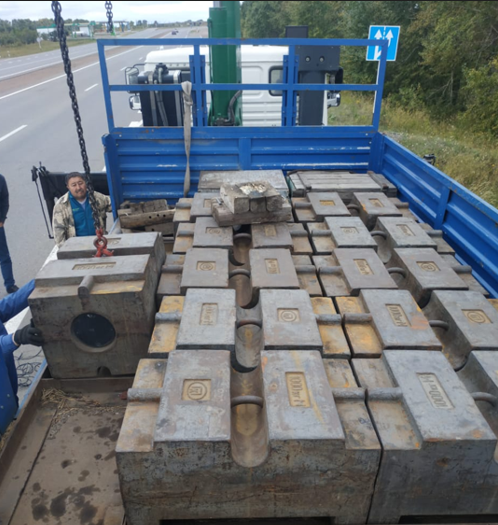
For WIM systems to be used in the field of regulated measurements, the equipment and the system must comply with the metrological requirements established for the specific project and area of application.
After the system is put into operation, the prescribed inspection and verification procedures for measuring instruments are carried out. The set of required documents depends on the equipment used, the station configuration and statutory requirements.
For equipment and measuring systems, the documents required by the specific project and the equipment in use are applied.
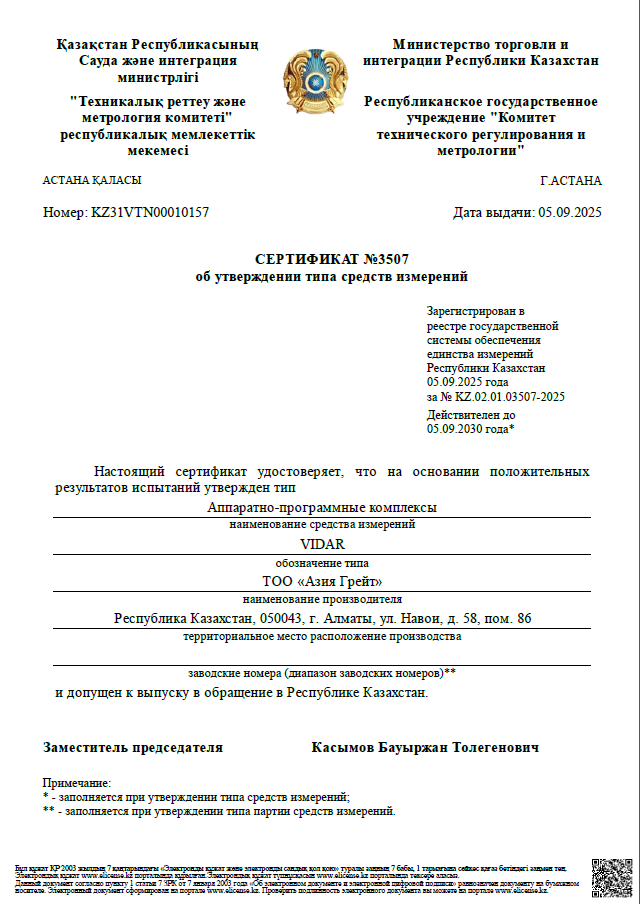
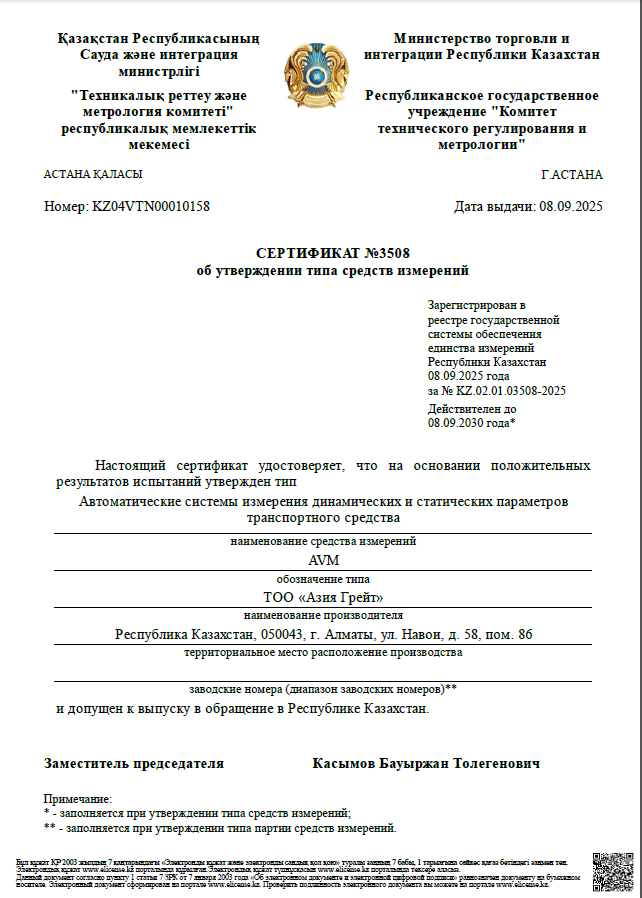
WIM is part of a comprehensive transport control system. Data from the weighing equipment can be combined with information from other subsystems and transmitted to Asia Great software or the customer's information systems.
The data set is determined by the configuration of the specific station.
Asia Great WIM systems integrate with the information systems of government agencies and customers. Weight and dimension control results are transmitted for further processing, storage and use in automated transport control systems.
A single event can combine data on the vehicle, gross vehicle weight, axle loads, speed and time of passage, traffic lane, state registration number, as well as photographs and other materials obtained by related subsystems of the complex.
The system compares measurement results with the established permitted parameters of the vehicle and determines whether gross vehicle weight and/or axle loads are exceeded, in accordance with the applicable rules and the configuration of the complex.
ЕРАП
Unified Register of Administrative Proceedings
Asia Great weight and dimension control complexes can be integrated with ЕРАП and other government information systems. When exceedance of permitted weight parameters is detected, the system generates the required event data and materials for subsequent administrative proceedings.
Integration makes it possible to automate the transfer of control results and reduce the volume of manual processing — from recording the exceedance to preparing the administrative case file in government information systems.
Asia Great solutions are used in projects of government agencies and road organisations and are integrated with customers' information systems.
Asia Great carries out the design of WIM stations, equipment selection and integration, installation of sensors, commissioning, calibration, software integration and technical support of the system.
Send a technical assignment, measurement section requirements or a specification. Asia Great will propose a WIM system configuration for the specific site.
View certificate